
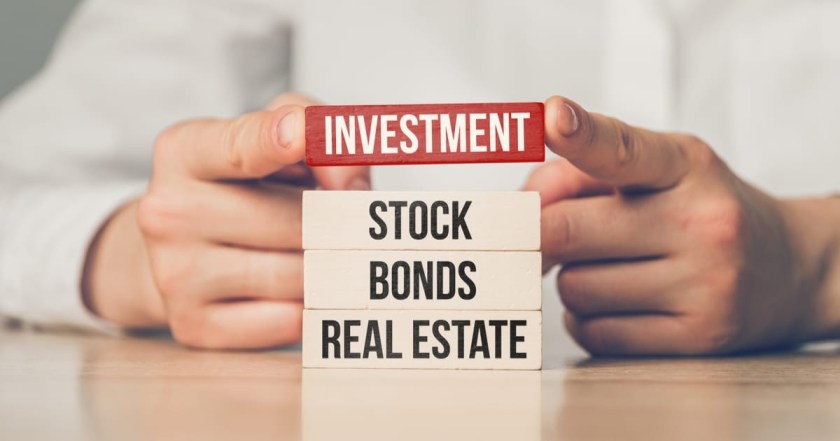
At some point in your financial journey, you may find yourself asking: Should I buy land or invest in treasury bonds? It’s a powerful question—because it signals a shift in mindset from simply saving money to strategically building wealth. This question doesn’t have a one-size-fits-all answer, and the best choice depends on your goals, your tolerance for risk, and your current financial situation.
Both land and treasury bonds have a role to play in a balanced investment strategy. Land appeals to those who value tangible assets, long-term appreciation, and the potential for future personal or family use. It’s the kind of investment that gives a sense of permanence and pride. You can build on it, develop it, or hold it for future generations. Over time, especially in areas experiencing growth or infrastructure development, land tends to appreciate significantly.
Treasury bonds, on the other hand, are ideal for individuals who prioritize stability and predictable returns. These government-issued securities are one of the safest ways to earn passive income through interest payments, while preserving your principal. They’re especially attractive if you’re risk-averse or nearing retirement, or if you’re looking for a place to park your money while still earning some return.
Liquidity is another important factor to consider. Land isn’t easily converted into cash. Selling may take time—sometimes months or even years—depending on market conditions and the land’s location. Treasury bonds, especially if they’re tradable, can be sold on the secondary market, offering a higher degree of liquidity. So if you anticipate needing access to your funds in the short term, bonds offer greater flexibility.
When evaluating risk and reward, land offers the possibility of higher returns, but it comes with a range of uncertainties—legal complications, boundary disputes, zoning changes, or market downturns can affect its value. It also involves costs beyond the purchase price, like land rates, fencing, or registration fees. Treasury bonds, in contrast, are low-risk and almost maintenance-free. Once purchased, you receive interest payments on schedule, and your capital is returned at maturity.
Inflation is another angle worth thinking about. Land typically keeps pace with or outpaces inflation, making it a good hedge over time. Standard treasury bonds may not fare as well during inflationary periods, as their fixed interest payments can lose purchasing power. However, some governments offer inflation-indexed bonds, which adjust interest payments in line with inflation, providing some protection.
The affordability of each investment also varies. Buying land usually requires a larger upfront outlay, which can be a barrier for some investors. Treasury bonds, especially in markets like Uganda, have much lower entry points—as low as UGX 100,000—making them accessible even to beginners. This makes bonds a practical starting point while saving for a bigger investment like land. Alternatively, you could diversify and allocate funds to both, balancing risk and return.
So which option is better? The answer lies in your unique situation. If you’re looking to secure a future asset that you or your family might use, or one that may significantly appreciate over time, land is a compelling choice—especially if you’ve carefully researched its location, legal standing, and long-term prospects. If you prefer stability, low risk, and a hands-off source of income, treasury bonds may be the wiser move—especially as a stepping stone into the world of investing.
Ultimately, wealth-building isn’t about choosing a “perfect” investment. It’s about aligning your financial decisions with your vision of the future. Land and bonds serve different purposes—and in many cases, a thoughtful combination of both can serve you well. Start where you are, with what you have, and let each decision move you closer to the life you want to build.
 Unlock your true potential