
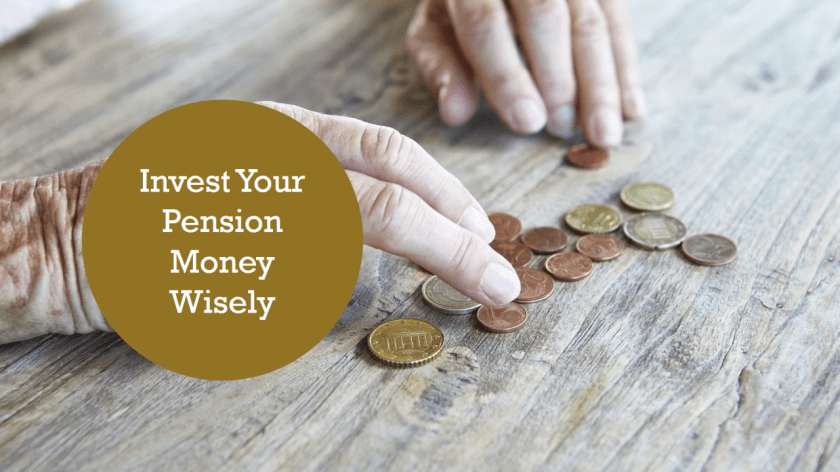
A friend recently received his NSSF mid-term pension, amounting to about UGX 100 million, which is approximately 20% of his retirement fund. He is hardworking, earns relatively well, and is cautious with money. He didn’t want to gamble away his hard-earned retirement cash on any new business venture.
So he approached me for guidance. We explored various investment options and eventually settled on treasury bonds. I explained to him that investing in treasury bonds is essentially lending money to the government, which in return pays interest every six months and repays the principal at the end of the bond term.
I suggested he set up a meeting with his bank relationship manager. We met with the bank representative, who explained the process in detail. First, we had to open an account with the Bank of Uganda through his bank. The bank agent provided the necessary forms, which we completed. Once this step was done, we needed to decide which bond to purchase.
My friend preferred a long-term investment that would generate passive income. We settled on the 20-year, 15% bond maturing on 18th June 2043. Next, we had to choose between purchasing the bond on the secondary market or through the primary market. The secondary market pricing was unfavorable, as this particular bond was trading at a premium of about 101%. This meant that to buy a bond with a face value of UGX 100 million, he would need to pay approximately UGX 101 million, with the extra UGX 1 million being the premium.
We decided to try our luck with the primary auction. However, for some strange reason, the bank agent seemed reluctant about this option, but we insisted. We completed and submitted the bid forms.
The auction was held on 27th November 2024, and the results were excellent. The bond sold at a discount of 92%, meaning that to buy a bond with a face value of UGX 100 million, we paid only UGX 92 million. This particular bond will soon pay a coupon on 9th January 2025. By purchasing through the primary auction, we saved close to UGX 9 million.
The bond pays a coupon of 15% and has a withholding tax of 10%. Therefore, my friend will soon earn approximately UGX 6.75 million [100m * 15% * 90% ÷ 2] in January 2025 and every six months thereafter. The overall annual return or yield, if held to maturity, is approximately 17.5%, which is not bad at all.
I advised my friend to consider using his coupon payments to build a diversified portfolio of bonds with different maturities and coupon rates. This strategy can help create a ladder of passive income, providing financial security for years to come with minimal risk and effort.
My friend is pleased with the outcome. By investing his retirement funds prudently, he has avoided the common “pension curse” that affects many retirees who squander their lump sum pensions within a few years. Since he is still gainfully employed, this additional passive income is a welcome financial boost.

 Unlock your true potential