
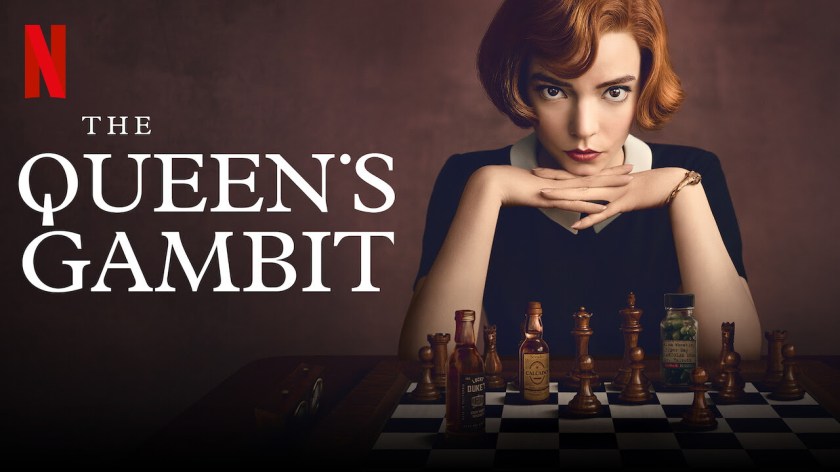
I used to play competitive chess in school. I was on the chess team at Busoga College Mwiri; I played for Makerere University and used to be a member of the Jinja Chess Club. However, I didn’t pursue the game professionally because there were more urgent things to do, like looking for rent! I still support the game by donating chessboards to schools around the country. Chess taught me invaluable lessons about strategic thinking, patience, discipline, and focus, but there was one concept in particular that struck a chord with me: the gambit.
A gambit in chess is a strategy where you offer your opponent an alluring “free” piece. The idea is simple but cunning: by enticing them to take the piece, you set them up for a sequence of moves where, ultimately, you gain a strategic advantage and win. The inexperienced player will eagerly grab the free piece, unaware that this impulsive decision could cost them the game. This chess tactic is surprisingly similar to the financial gambits many of us encounter in real life.
One of the classic financial gambits is the lure of a minimal, one-time payment that hooks you into spending more over time. Imagine you’re offered a free SIM card or a credit card in college—a scenario I know well from my university days when I accepted a “free” SIM card, thrilled to have my own line. It’s been years since, and while I still have the same number, I’ve spent millions on airtime and data. That free SIM wasn’t free at all; it was the opening move of a gambit that ensured I would keep paying for years, even decades.
Credit cards are another popular gambit. They might start by offering no annual fee or interest-free periods. But once you’re locked in, interest fees, penalties, and the ever-present temptation to use it more than you should add up, leaving many people deep in debt. The “small” initial commitment becomes a recurring burden that can cost far more than you’d ever expected.
Another example of a financial gambit is the “free installation” of services like home internet fiber. The initial setup might be free or at a significant discount, making it feel like an incredible deal. But once connected, you’re committing to a long-term expense of monthly payments. As with many services, these payments tend to increase over time. By the end, the “free” connection has resulted in thousands in ongoing fees.
This is also true for streaming services, software subscriptions, or other recurring expenses that start with an enticing “free trial” or low introductory fee. Once you’re accustomed to the convenience or enjoyment, unsubscribing becomes a tough choice, and the costs keep accumulating.
In chess, a well-trained player will recognize a gambit for what it is and evaluate the true cost of accepting that tempting free piece. Similarly, with financial decisions, we need to ask ourselves, “What’s the catch? What commitment is this ‘free’ offer trying to pull me into?” Often, it’s best to take a step back and consider the long-term costs before accepting that free service or signing up for that low-cost subscription. In some cases, it might make more sense to forego the offer entirely if the ongoing expense outweighs the short-term benefit.
Just like in chess, where the best players think several moves ahead, in personal finance, it’s essential to anticipate the future impact of today’s decisions. Before committing to any financial “deal,” pause and think through the long-term implications. This strategic mindset can prevent you from falling into financial traps and allow you to maintain control over your finances rather than getting locked into obligations that drain resources over time.
So next time you’re offered something free or heavily discounted, ask yourself, “Is this a smart move, or is it a gambit I might regret?” By recognizing these financial traps, you’ll be better equipped to manage your finances wisely—saving yourself from unnecessary expenses and keeping you in control of your own financial game.
 Unlock your true potential
Thanks a lot for this piece, JohnI relate a lot with it Sent from my iPhone
LikeLike