
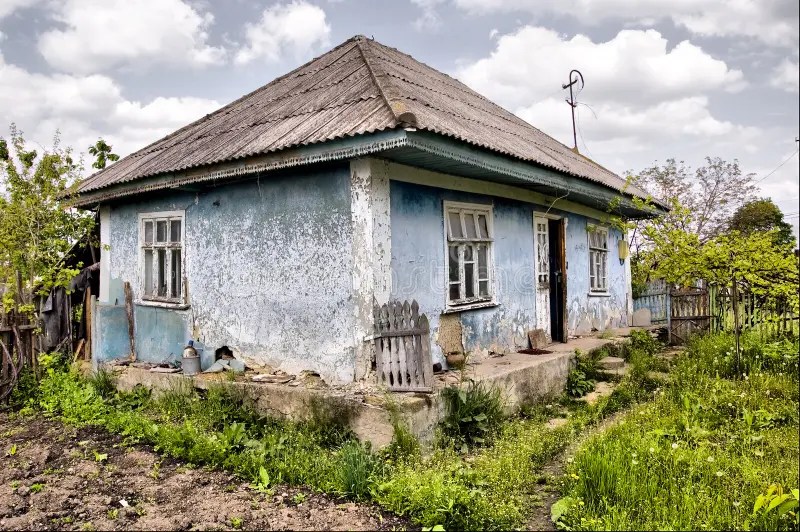
We bought a piece of land in the village sometime back, intending to use it for a community project. We had big dreams and plans for it, but as life often does, it took a different turn, and those plans came to a halt. Fast forward several years, and that land now sits idle, overgrown with shrubs and weeds. This piece of land is a classic example of a stranded asset.
So, what exactly is a stranded asset? Simply put, a stranded asset is something that has lost its value or purpose because it’s no longer in use, or it can’t generate any income. It’s like buying something with the hope that it will be useful, only to find out later that it’s just sitting there, gathering dust. Other examples include village houses we never sleep in, cars we never drive, clothes we never wear, incomplete houses, or even degrees we never use. All of these are investments of time, money, and effort that haven’t yielded the returns we expected.
Stranded assets often come about due to various reasons. Life is unpredictable. You might have bought land intending to build a family home, but perhaps job opportunities moved you to another city, or your financial priorities changed. Sometimes, we make purchases based on emotions rather than practicality. We buy a house in the village because it reminds us of our roots, or we invest in a car that we don’t really need because we love how it looks. Over time, these things can end up sitting idle.
There are also cases where we dream big but don’t plan thoroughly. We think we’ll have the time, energy, and money to develop a piece of land, run a side business, or build our dream house, only to realize later that the commitment is much more than we anticipated. And sometimes, assets get stranded because the market changes. That profitable business idea from five years ago may no longer be feasible today. Technology, competition, and regulations can make certain investments obsolete before they have the chance to pay off.
Stranded assets can be a constraint to your financial portfolio because they are unproductive. They tie up your resources without giving anything back. Imagine having a significant chunk of your money stuck in something that isn’t helping you reach your financial goals. It can limit your ability to invest in more promising opportunities or save for the future. Even worse, maintaining some of these assets might drain more money. For instance, that car you rarely drive still needs servicing, insurance, and repairs. The land needs periodic clearing, and a village house that sits unused might still attract property taxes or maintenance costs. All these add up, creating a financial burden rather than an asset that grows in value.
The best way to deal with stranded assets is to avoid them in the first place. Before buying or investing in anything, ask yourself if it fits into your long-term goals. Does it make sense financially, and will it add value to your life? Be honest about your priorities and avoid impulse purchases that might not serve a real purpose. Research the investment thoroughly. Understand what it will take to develop that land or how often you’ll really use that car. The more informed you are, the better your chances of making smart decisions. Dreaming big is great, but it’s equally important to be realistic. If you know you don’t have the time, skills, or funds to pursue a project, it might be best to hold off or reconsider the idea. Choose investments that can adapt to changing circumstances. For example, buying an apartment that you can rent out might be better than a vacation home that you only visit twice a year.
Let’s say you already find yourself in a situation where you have stranded assets. All is not lost—there are still ways to make the best out of them. If you have land that you aren’t using, consider selling it. Or, if you don’t want to part with it, look for someone willing to lease it. It might not bring the returns you originally hoped for, but at least it can start generating some income. Sometimes, all it takes is a little creativity to make use of what you already have. That idle car could become an extra source of income if you rent it out occasionally. Or maybe the land could be used for agricultural projects managed by someone else. If you’re not sure what to do with your stranded assets, talk to a financial advisor. They can give you options you might not have considered and help you make the most of your existing resources. It’s okay to realize that some investments just didn’t work out. Instead of letting them weigh you down, cut your losses, learn from the experience, and focus on opportunities that align better with your current situation.
Stranded assets are a reminder that every investment decision should be made thoughtfully. It’s easy to get carried away by big dreams or emotional purchases, but those can lead to situations where your money is tied up in things that don’t bring value. By planning carefully, prioritizing your goals, and being realistic about your capabilities, you can avoid the trap of stranded assets and build a portfolio that truly supports your financial well-being. And if you already have a few stranded assets, don’t be afraid to take steps to free up those resources—there’s always a way forward.
 Unlock your true potential