
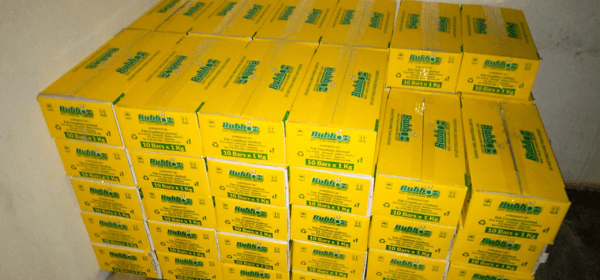
Some time ago, we decided to venture into laundry bar soap-making. Like excited entrepreneurs, we played by the book. We did our market research, got relevant training, came up with a formula, made a prototype, tested the market, got feedback, improved the product, got packaging, and finally made a small batch. The small batch did well, so we decided to pump in more cash. Things quickly spiraled out of control from thereon. A random war in Ukraine increased the cost of our inputs, which ate up our margins. Then, there was a flurry of new soaps on the market, which increased competition. Then we faced all sorts of production problems. Materials poured when being offloaded, raw materials ran out of stock, the equipment kept breaking down, our vehicle was impounded by traffic police, and then some unscrupulous sales agents stole the product.
The main challenge with the laundry soap business is that it is an undifferentiated commodity business dominated by large players. In a commodity business, you compete on price. The only way to reduce costs is to scale, which requires significant capital. Small players are forced to take lower prices, which don’t cover costs. So we were losing money on each trip, and we decided to stop this project.
The temptation was to continue investing in this loss-making venture, which would make us prone to the sunk cost fallacy.
A sunk cost is any past expense that cannot be recovered—like our initial investment in the soap venture. The key principle in making rational economic decisions is to ignore these sunk costs, as painful as that may be, and focus only on future potential. The sunk cost fallacy traps individuals into continuing a failing project simply because they have already invested resources into it. It’s a natural instinct—to not want to give up after investing so much—but it’s not always the rational choice.
The reality is, past investments should not influence our decisions about the future, which should be based only on potential returns and possibilities. Whether it’s business or personal life, what’s spent is spent. The future does not have to be dictated by the past. In business, this means making hard decisions, like when to cut losses on a project that’s no longer viable.
For anyone in a similar position, remember: every new day offers a fresh start, and the future holds opportunities that do not require throwing good money after bad. Instead of dwelling on what’s already been spent, focus on the strategies that lead to growth and success. The most important step you can take is to learn from the past and use that knowledge to make better decisions moving forward. By steering clear of the sunk cost fallacy, you position yourself to make choices that are not just hopeful but are grounded in a realistic assessment of what’s ahead.
 Unlock your true potential