
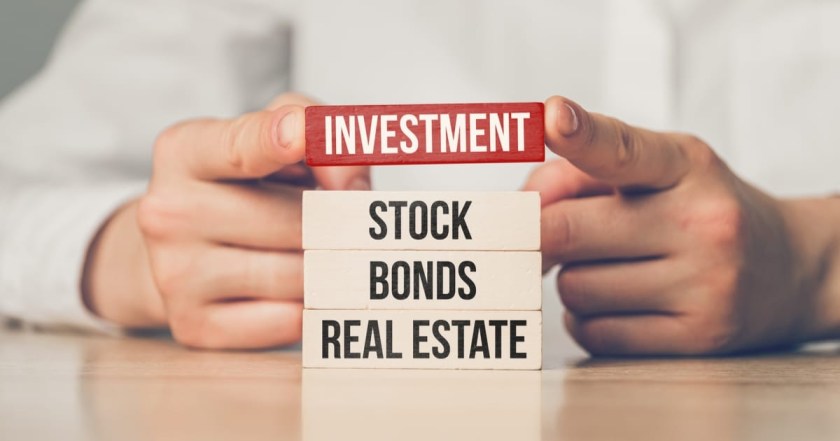
When it comes to investing your money, there are a few popular options that you might come across: land, bonds, and shares. Each has its own unique benefits and risks, and understanding these can help you make a more informed decision about where to put your money.
Let’s start with land. Investing in land means buying a piece of property. This could be for personal use, like building a home, or as an investment, such as buying land to sell later at a higher price. The great thing about land is that it’s a tangible asset – you can see and touch it. Land typically appreciates over time, especially in growing areas. However, it can be expensive to buy and maintain, and selling land can sometimes take a long time. Plus, the value can fluctuate based on market conditions and location.
Bonds are essentially loans that you give to companies or governments. In return, they promise to pay you back with interest over a set period of time. Bonds are generally considered to be safer than shares because they provide regular interest payments and return your principal at maturity. They can be a stable source of income, especially for retirees. However, the returns are usually lower compared to shares, and there’s still some risk involved, especially if the issuer defaults.
Shares, or stocks, represent ownership in a company. When you buy shares, you become a part-owner of that company, which means you can earn a portion of the company’s profits through dividends and benefit from any increase in the company’s value. Shares can offer high returns, especially if the company does well. But with high returns come higher risks. The stock market can be very volatile, and share prices can go up and down rapidly. It requires a good understanding of the market and often a willingness to ride out some rough patches.
So, which is better? It really depends on your individual situation and investment goals.
If you’re looking for something tangible and potentially long-term, land might be a good choice. It’s a solid asset but comes with its own set of challenges, like maintenance costs and market dependence.
If you prefer something more stable with regular income, bonds could be the way to go. They offer safety and steady returns, which can be especially appealing during uncertain economic times.
If you’re aiming for higher returns and are willing to take on more risk, shares might be your best bet. They offer the potential for significant growth, but you need to be prepared for market ups and downs.
Diversifying your investments – spreading your money across land, bonds, and shares – can be a smart strategy. This way, you balance the risks and rewards, and can sleep a bit easier knowing that your investment eggs aren’t all in one basket.
Remember, there’s no one-size-fits-all answer. The best investment for you depends on your financial situation, risk tolerance, and long-term goals. It’s always a good idea to talk to a financial advisor to help you figure out what’s right for you. Happy investing!
 Unlock your true potential