
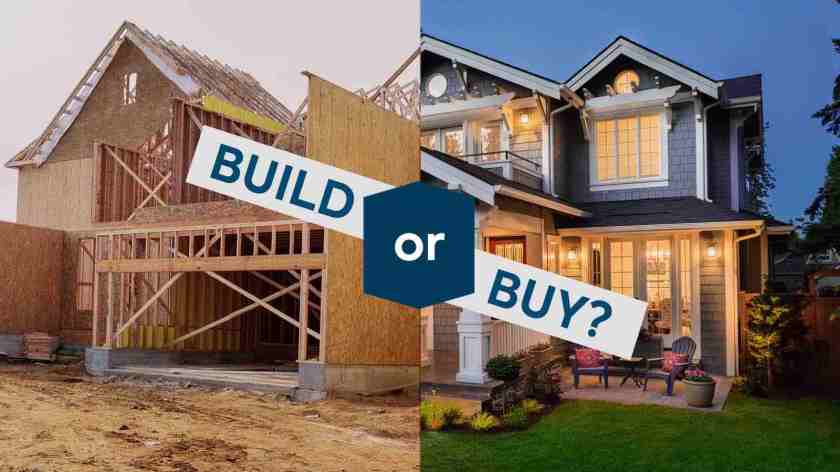
We started building our first home in 2014 somewhere on the outskirts of Gayaza. We built the house in typical Ugandan style. We got an architect friend who gave us house plans. Then we got a builder who was referred to us. And we just started.
Builders are like mechanics. They always underestimate how much the job will cost. I think it is a strategy they use for you to start and then get locked in. Anyways we contracted the builder to reach the ring beam and negotiated his labour costs to come to about ugx 5m. We would buy bricks, sand, cement, and other materials ourselves.
We reached out to a local hardware store in Manyangwa which supplied us with cement, and other equipment. We also got sand from a nearby sandpit between Gayaza and Manyangwa. The sand people helped us find another person to supply clay-fired bricks.
It was a nightmare coordinating all these people. I was working in Jinja so I had to commute daily. I would leave office at 5.00 pm sharp, drive to Kabubbu in Gayaza via the Kalagi road, inspect the site, and then drive home in Kisaasi. The next morning at 5.00 am I would drive to Jinja and the cycle repeated itself for months. It was quite exhausting because we had a new born child at the time.
The challenge with building a home on your own is that you become the Project Manager and may not have the patience, skills, and energy to deal with builders and suppliers. You are most likely going to closely supervise the project and if you are not on site the builders will tell you all sorts of lies. I recall one time the builders said they needed more sand and cement while casting the floor slab. I could not verify anything because I was in Jinja so I just sent mobile money so the slab wouldn’t dry without completing the job.
The beauty of this incremental building style is that you can move at your own pace and you can choose your own design. Very few Ugandans have huge lump sums of cash to allocate to buying a home outright. So phasing the project helps from a cash flow point. Typically you first do the foundation and then relax. Then you pour the floor slab. Alternatively, build up the walls up to the ring beam. Then you roof and pour the floor slab later. After you work on the ceiling, plaster the walls, do the plumbing and electricals, and paint inside. Then you tile only one bathroom and enter!
After entering the house in this state it can take several months or years before you allocate more cash to this project. At this point, you’re exhausted, irritated, and broke! Your wife and friends then pressure you to complete the house. You take out another loan to buy tiles, do the wall fence, and put a gate.
The building project never ends. Now you need to do the pavers, paint outside, put a water tank, and plant some grass and flowers. You take out another loan from the SACCO! If you are lucky that there is water and power in the area you apply for a connection. Otherwise, you sort yourself out as you wait for the water and power to come closer!
By the time the house is decent, you are really worn out. The only consolation is the praise and admiration you get from friends and in-laws when they visit. You are happy on the surface but you have a deep financial hole in your pocket which will take you another five to ten years to fill. Overall the project cost us about ugx 200m for a three-bedroomed house.
The alternative is to buy an already complete home if you have the cash. Within a week or so you move in without all the hustle. Of course, you have to deal with a trusted developer who uses quality materials. You can also consider getting a mortgage which I would not recommend in our environment. Our mortgages are simply too expensive to justify the investment. It is better to build incrementally and then use a top-up loan to finish the house and move in.
Building or buying a home is not an easy thing. However, it is one of the best investments you will ever make. Knowing that you own a tiny place on this planet called home where you can live and raise your family is priceless. Just make sure you fully count the cost of the project and are psychologically prepared for the stress involved in home ownership.
 Unlock your true potential